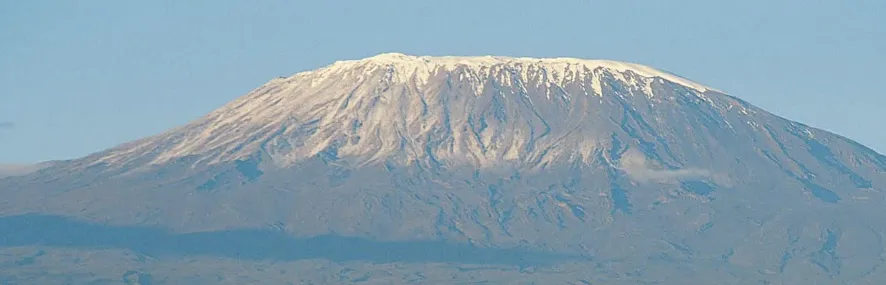
Kilimanjaro stands at 5,895 meters above sea level, the highest mountain in Africa and the tallest free-standing peak in the world. For many, reaching the summit is a once-in-a-lifetime dream. The beauty of Kilimanjaro is that you don't need ropes or technical climbing skills, what you need is determination, a healthy level of fitness, and the right support team to guide you safely to the top.
At Clan Adventure, we have been guiding adventurers since 2017. Over the years, we've learned that climbing Kilimanjaro is not just about getting to the summit, but about how you get there: the safety measures, the food you eat, the people who walk beside you, and the memories you take home. That's why we design our climbs around safety, comfort, and responsible practices that ensure both our guests and our crew are well cared for.
The number one question most climbers ask is whether the climb is safe. The challenge of Kilimanjaro is not its trails but its altitude. At Clan Adventure, we take this seriously. Our guides are Wilderness First Responder certified and trained in mountain rescue. Every day, your health is checked, oxygen levels, pulse rate, and hydration, to make sure your body is adjusting well. We carry medical kits and portable oxygen on every trek, and we maintain private portable toilets so you are never exposed to unhygienic camp facilities.
We also design our itineraries to give your body time to acclimatize. Walking slowly, eating nutritious meals, and resting properly are simple steps that make a huge difference. Safety isn't just a promise for us, it's the reason our guests consistently reach the summit with confidence.
Many people are surprised to hear that Kilimanjaro is accessible to beginners. The real challenge is the altitude, not the terrain. Most days involve long walks of 5 to 8 hours, and the final push to the summit can take 10 to 12 hours. If you are reasonably fit, able to hike 10–15 kilometers in a day or run a few kilometers without much difficulty, you are already well on your way.
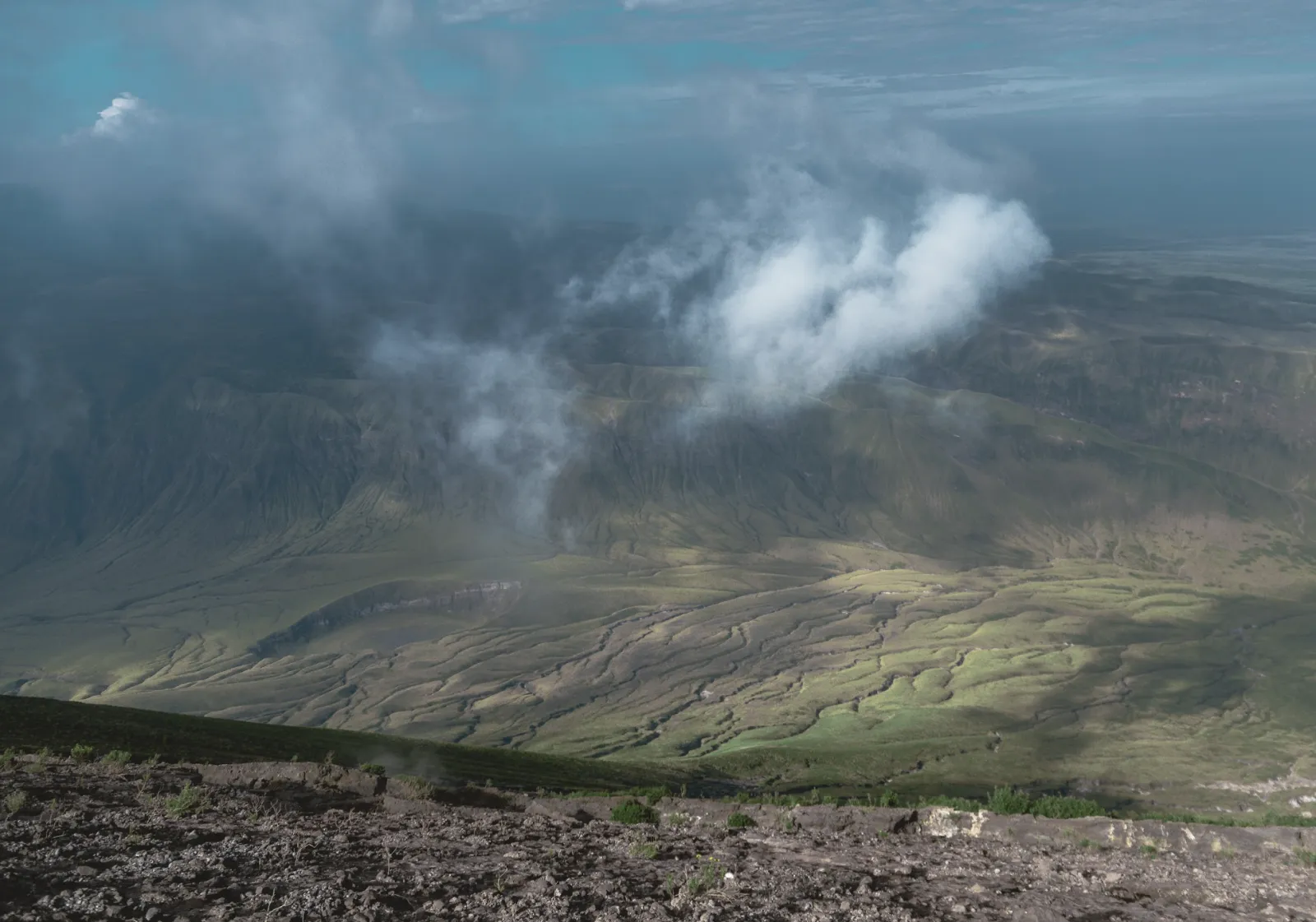
The most important factor is choosing the right route. That's why Clan Adventure recommends the Lemosho route. It is one of the most beautiful approaches to the mountain, with changing landscapes that range from rainforest to high alpine desert, and it gives climbers the best possible chance to acclimatize slowly and steadily. This route balances scenery, comfort, and safety, making it ideal for first-time climbers and seasoned hikers alike.
We believe in transparency. With us, there are no hidden surprises. From the moment you arrive, we make sure you are taken care of. Your climb includes airport transfers, park fees, and all the permits you need. Before and after your trek, we arrange for you to stay in top-notch accommodations so you can relax and recover in comfort.
On the mountain, you will be supported by a team of professional guides, chefs, and porters. You'll sleep in quality tents with proper sleeping mats, eat nutritious meals prepared to suit all dietary needs, from vegan to gluten-free, and enjoy the comfort of private dining tents. We also carry portable toilets for hygiene and peace of mind. Safety equipment, including oxygen and medical kits, is always on hand, and you will receive continuous support in planning your climb, from training advice to packing lists.
The only things not included are your international flights, visa fees, travel insurance, personal gear, and crew tips. Everything else is organized so that you can focus on the climb itself.
You may find cheaper climbs online, but lower prices almost always mean corners are cut. This could mean underpaid porters, poor food, old tents, or rushed itineraries that increase the risk of altitude sickness. At Clan Adventure, we refuse to compromise on safety or dignity.
We pay our crew above industry standards, and we feed them the same quality meals that you enjoy. We provide professional chefs, private toilets, and the best equipment because these are not luxuries, they are essentials for a safe and enjoyable climb. Our higher summit success rate is a direct result of these choices. When you book with Clan Adventure, you're investing not just in your own experience, but in the wellbeing of the people who make it possible.
The cost of climbing Kilimanjaro depends on your route, group size, and accommodation before and after the trek. At Clan Adventure, we focus mostly on private climbs, and not mixing with strangers.
For a 7 days to 8 days trek (9 to 10days tour), prices range from $1,788 to $4,664 per person, with the average around $2,700 USD. About 35% of this goes directly to park fees, and a large share covers taxes (18% VAT and 30% income tax). We run transparently, paying all required fees and wages above industry standards.
Be cautious of operators charging less than $1,700. Low prices almost always mean underpaid porters, poor food, unsafe equipment, and shortcuts that put climbers at risk. With Clan Adventure, you know your money supports safety, fair pay, and a quality experience from start to finish.
We are proud to run our climbs in a way that respects both people and the environment. Our guides and porters are fairly paid, properly equipped, and cared for. We follow KPAP standards (Kilimanjaro Porters Assistance Project) to ensure our team is never exploited.
On the mountain, we have a strict "no plastic" policy, providing refillable bottles instead of single-use plastics. We also operate on a "trash in, trash out" system, ensuring we leave the mountain cleaner than we found it. When you climb with Clan Adventure, you are part of a sustainable model of tourism where everyone benefits.
Most people have heard of Kilimanjaro but don't know there are different routes to the summit. Each route offers a different experience, and here's what you should know in simple terms:
Our top recommendation. Remote and scenic, this trail passes through untouched rainforest and across the Shira Plateau before joining the western approach. It gives you plenty of time to acclimatize and is one of the most successful routes to the summit.
Sometimes called the "Whiskey Route," this is a popular trail with mountain views. It is more crowded than Lemosho but offers dramatic scenery, including the famous Barranco Wall.
Known as the "Coca-Cola Route," this is the only trail with hut accommodation instead of tents. While it may sound easier, its rapid ascent profile gives it lower success rates.
A quieter trail starting from the northern side of the mountain, close to Kenya. It offers a different perspective and is less crowded, though less varied in scenery.
The longest and most remote trail, circling around the mountain before reaching the summit. It offers excellent acclimatization and solitude but skips some iconic landmarks.
The steepest and most direct route, suitable only for experienced trekkers. It is beautiful but demanding and not recommended for beginners.
Kilimanjaro can be climbed year-round, but the best months are January to March and June to October. These seasons offer the most stable weather, with clearer skies and less rain. Other months are possible, but climbers should be prepared for wetter conditions.