
Routes & Expeditions Guide
Your all-in-one planning hub for signature safaris, mountain treks, and coastal escapes. Compare curated experiences in seconds, open any card for full details, and move straight to the full itinerary when you are ready to book with confidence.
Find your route
Filter by trip type, then open any card for a centered summary. Safari trips include a link to the full day-by-day page; treks and guides open the complete notes here without scrolling.
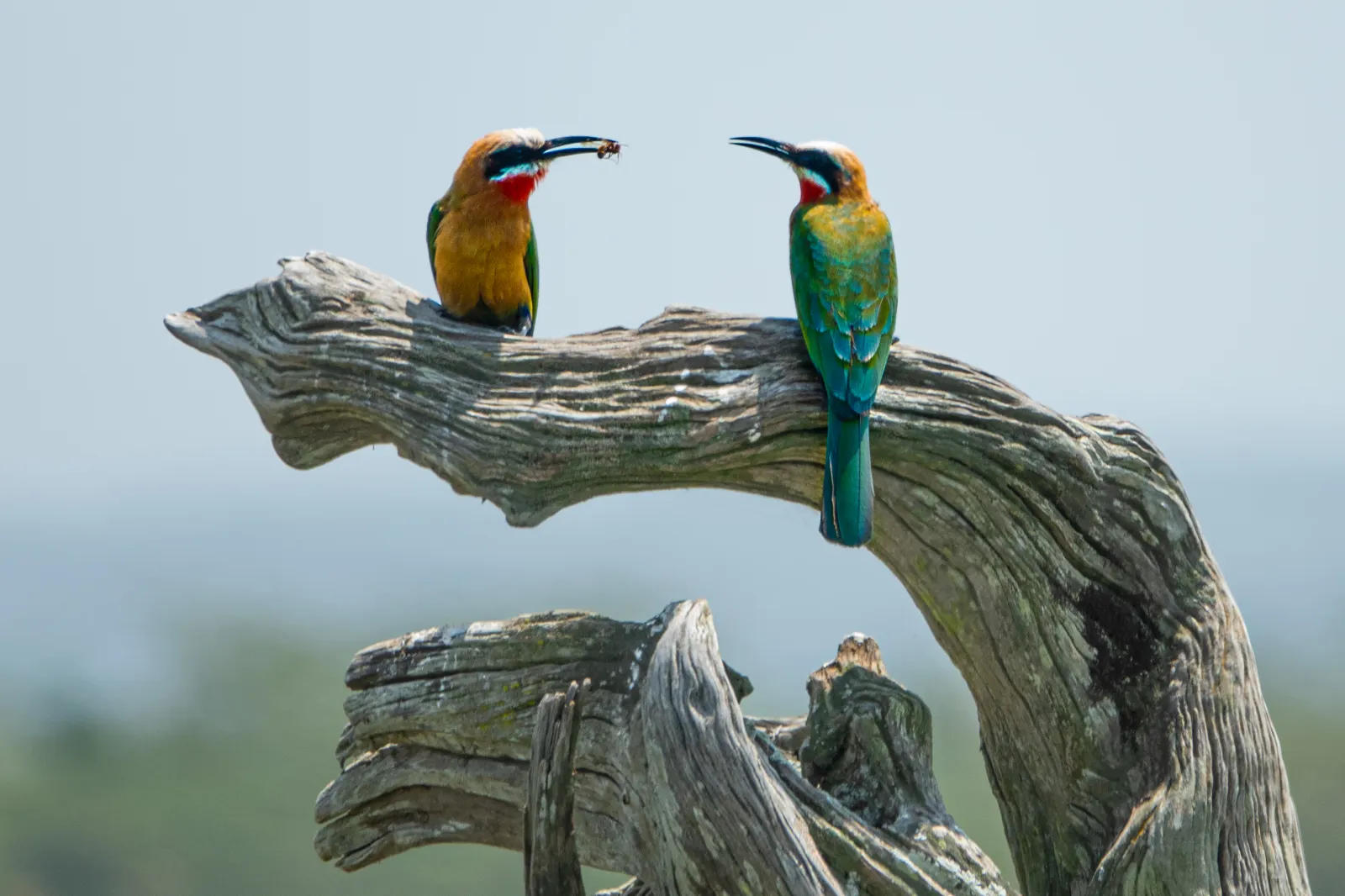
From $630 per person
A compact northern Tanzania safari when time is short: excellent wildlife, dramatic scenery, and a taste of the parks around Arusha.
- Ideal for a long weekend or pre/post Kilimanjaro add-on
- Big-game drives with expert Clan Adventure guides
- Lodging matched to your comfort level and budget
Included
- Airport transfers on arrival and departure
- All national park entry fees and conservation fees
- Private 4WD safari vehicle with pop-up roof
- Professional English-speaking naturalist guide
- All accommodation (lodge, camp, or mobile camp)
- All meals throughout the safari
- Bottled drinking water during game drives
- Medical kit and emergency evacuation cover
- Pre-trip packing list and training advice
Excluded
- International flights and visa fees
- Travel insurance (required)
- Personal gear and equipment
- Crew gratuities (recommended)
- Optional hot air balloon safari
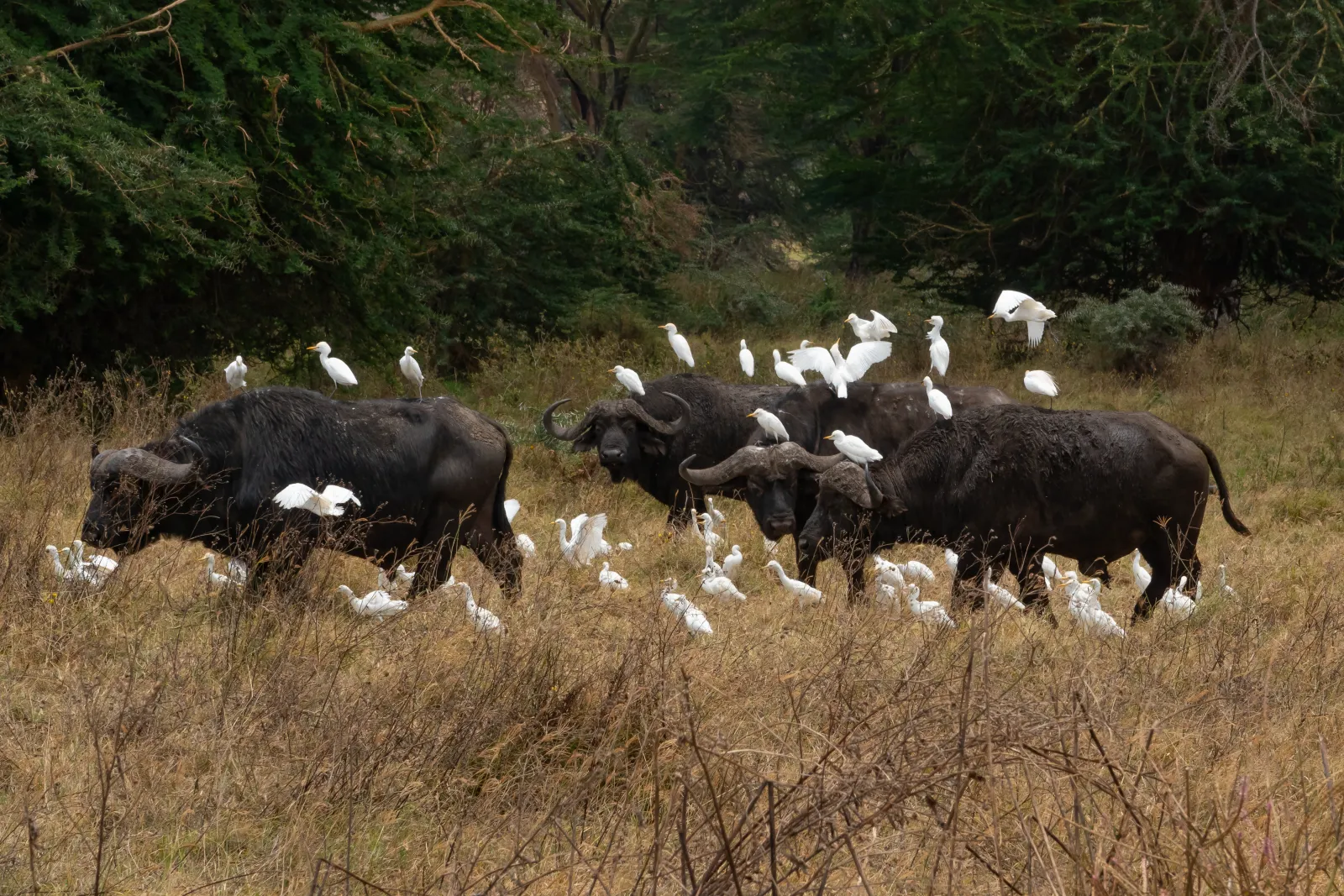
From $2,180 per person
Follow the seasons across the Serengeti ecosystem with time on the plains, in woodlands, and along predator-rich corridors.
- Migration-focused routing (timing varies by month)
- Serengeti, Ngorongoro, and classic northern highlights
- Comfortable camps and lodges with reliable hospitality
Included
- Airport transfers on arrival and departure
- All national park entry fees and conservation fees
- Private 4WD safari vehicle with pop-up roof
- Professional English-speaking naturalist guide
- All accommodation (lodge, camp, or mobile camp)
- All meals throughout the safari
- Bottled drinking water during game drives
- Medical kit and emergency evacuation cover
- Pre-trip packing list and training advice
Excluded
- International flights and visa fees
- Travel insurance (required)
- Personal gear and equipment
- Crew gratuities (recommended)
- Optional hot air balloon safari
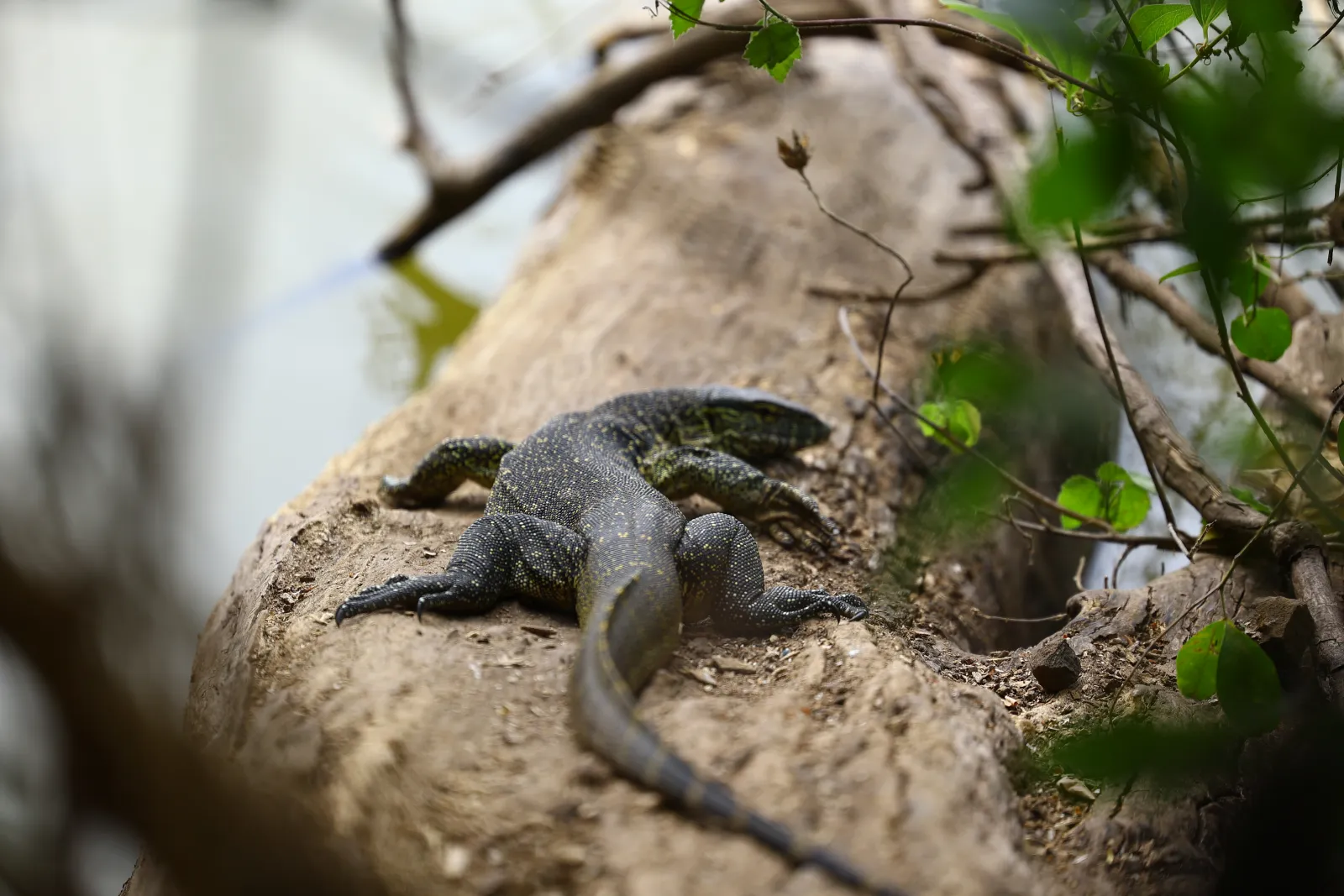
From $3,450 per person
The flagship northern circuit at an easy pace: Tarangire, Serengeti, Ngorongoro, and cultural touches without rushing.
- Balanced driving days and full game drives
- Strong photography and wildlife viewing opportunities
- Clear inclusions and transparent planning support
Included
- Airport transfers on arrival and departure
- All national park entry fees and conservation fees
- Private 4WD safari vehicle with pop-up roof
- Professional English-speaking naturalist guide
- All accommodation (lodge, camp, or mobile camp)
- All meals throughout the safari
- Bottled drinking water during game drives
- Medical kit and emergency evacuation cover
- Pre-trip packing list and training advice
Excluded
- International flights and visa fees
- Travel insurance (required)
- Personal gear and equipment
- Crew gratuities (recommended)
- Optional hot air balloon safari
From $4,200 per person
Go beyond the classic loop with extra days for Lake Natron, Oldoinyo Lengai views, and quieter corners of the north.
- More depth for repeat visitors or photographers
- Varied landscapes from crater to soda lakes
- Still ends with dependable departure connections
Included
- Airport transfers on arrival and departure
- All national park entry fees and conservation fees
- Private 4WD safari vehicle with pop-up roof
- Professional English-speaking naturalist guide
- All accommodation (lodge, camp, or mobile camp)
- All meals throughout the safari
- Bottled drinking water during game drives
- Medical kit and emergency evacuation cover
- Pre-trip packing list and training advice
Excluded
- International flights and visa fees
- Travel insurance (required)
- Personal gear and equipment
- Crew gratuities (recommended)
- Optional hot air balloon safari
From $11,780 per person
Safari, authentic cultural encounters, historic coast towns, and Indian Ocean relaxation in one thoughtfully paced journey.
- Bush-to-beach without sacrificing rest days
- Stone Town, spice farms, and Zanzibar shoreline
- Private vehicle options available on request
Included
- Airport transfers on arrival and departure
- All national park entry fees and conservation fees
- Private 4WD safari vehicle with pop-up roof
- Professional English-speaking naturalist guide
- All accommodation (lodge, camp, or mobile camp)
- All meals throughout the safari
- Bottled drinking water during game drives
- Medical kit and emergency evacuation cover
- Pre-trip packing list and training advice
Excluded
- International flights and visa fees
- Travel insurance (required)
- Personal gear and equipment
- Crew gratuities (recommended)
- Optional hot air balloon safari
As one of Kilimanjaro's newer and less-traveled routes, this option offers a more remote and pristine trekking experience, often considered one of the most scenic approaches on the mountain. However, it is slightly longer in distance and generally comes at a higher cost due to its remote access point.
The journey begins on the western side of Mount Kilimanjaro at Londorossi Gate, which requires a longer drive from town compared to other starting points. Originally introduced as an alternative to the Shira Route, it provides trekkers with a quieter and more exclusive trail experience from the very beginning.
The route passes through rich rainforest zones and expansive moorlands before reaching the stunning Shira Plateau around day three. From there, it merges with the Machame Route at Lava Tower, continuing through the Southern Circuit and descending into the dramatic Barranco Valley.
Day-by-Day Itinerary
-
DAY 1: LEMOSHO GATE – MTI MKUBWA CAMP: 4.8KM /3MI | 3-4 HRS | RAINFORESTT
Departing from Hotel, you will enjoy a scenic 3-4 hours drive through charming mountainside villages en route to the Kilimanjaro National Park Gate. Upon arrival, we will await the issuance of climbing permits while observing the lively atmosphere as various trekking teams prepare for their ascent.
The journey then continues into the lush rainforest zone, where winding trails and rich greenery create a stunning natural setting. Your professional guide will share insights about the region's diverse flora, fauna, and wildlife along the way.
At these lower altitudes, the trail may be muddy and slippery, so we strongly recommend using gaiters and trekking poles for added stability and comfort.
-
DAY 2: MTI MKUBWA CAMP – SHIRA I CAMP: 17KM/5MI | 6-8HRS | MOORLAND
After breakfast, the trek continues as the trail steadily gains elevation and transitions into the striking giant heather and moorland zone. Along the way, you will cross several streams before ascending Shira Ridge. From there, the route gently descends onto the expansive Shira Plateau, arriving at Shira 1 Camp, beautifully situated beside a flowing stream.
-
Day 3: SHIRA 1 CAMP- SHIRA 2 CAMP ; 8KM/5MI | 4 HRS MOORLAND
After breakfast, you will enjoy a gentle hike across the scenic Shira Plateau, leading to Shira 2 Camp, set within beautiful moorland meadows beside a flowing stream. The area offers a range of optional walks across the plateau, making this an ideal day for acclimatization and gradual adaptation to the altitude.
-
DAY 4: SHIRA 2 CAMP – LAVA TOWER – BARRANCO CAMP: 10.1KM/6MI | 5-7HRS | SEMI-DESERT
Although you finish the day at a similar elevation to where you started, this stage is crucial for proper acclimatization. From the Shira Plateau, the route heads eastward along a ridge, passing the junction toward Kibo Peak before continuing southeast to Lava Tower, famously known as the “Shark's Tooth” (4,650m / 15,250ft).
Shortly after Lava Tower, you will reach a second junction leading toward Arrow Glacier. From there, the trail descends into the Barranco Valley, where you will spend the night at Barranco Camp.
-
DAY 5: BARRANCO CAMP – KARANGA CAMP: 5.2KM/3MI | 4-5HRS | ALPINE DESERTT
After breakfast, the trek continues with a steady ascent along a steep ridge to the iconic Barranco Wall. This exciting section leads you up and over the wall before descending into the Karanga Valley, where the route meets the junction connecting to the Mweka Trail.
This is one of the most remarkable stages of the climb, offering a chance to witness the incredible strength, agility, and experience of your mountain crew as they navigate the terrain with remarkable ease.
You will then continue to Karanga Camp for dinner and an overnight stay.
-
DAY 6: KARANGA CAMP – BARAFU CAMP: 3.3KM /2 MI | 4-5HRS | ALPINE DESERTT
The trek continues upward to Barafu Camp, where you will complete the South Circuit. This section rewards you with spectacular and ever-changing views of Kibo's summit from multiple perspectives.
Upon arrival, you will enjoy an early dinner followed by rest in preparation for the midnight summit attempt. Overnight will be at Barafu Camp.
-
DAY 7: BARAFU CAMP – SUMMIT: 5KM /3MI UP | 5-7HRS | – MWEKA CAMP: 11.5KM /8MI DOWN | 5-6HRS | GLACIERS, SNOW CAPPED SUMMIT
Summit day begins in the early hours, typically between midnight and 2:00 a.m., marking the most demanding phase of the climb both mentally and physically. Ascending between the Rebmann and Ratzel glaciers, you proceed steadily in a northwesterly direction over steep scree toward Stella Point, where you are rewarded with a breathtaking sunrise.
From here, a final one-hour ascent leads to Uhuru Peak (5,895m), the highest point on Mount Kilimanjaro and in Africa. After celebrating this remarkable achievement, you begin your descent to Mweka Camp, stopping briefly at Barafu Camp for rest and lunch.
The descent can be challenging due to loose volcanic terrain, making trekking poles and gaiters highly recommended. Upon arrival at Mweka Camp, a well-deserved rest awaits as you reflect on your successful summit.
-
DAY 8: MWEKA CAMP – MWEKA GATE; 9.1KM/5.7MI |3-4HRS | RAINFORESTT
After breakfast, you will begin your final descent to Mweka Gate, where you will receive your official summit certificates. As you descend through the lower rainforest zone, the trail may become wet, muddy, and slippery, so trekking poles and gaiters are highly recommended for safety and stability. Lightweight clothing such as shorts and a T-shirt is usually comfortable, though it is important to keep your rain gear and warmer layers accessible in case of changing weather conditions.
Upon arrival at Mweka Gate, you will be met by your transfer team from Clan Adventure Safaris, who will assist with your exit formalities and ensure a smooth handover. You will then be driven back to your hotel in Moshi & Arusha (approximately one or two hours), marking the successful completion of your Kilimanjaro journey.
Included
- Airport transfers on arrival and departure
- All national park entry fees and conservation fees
- Private 4WD safari vehicle with pop-up roof
- Professional English-speaking naturalist guide
- All accommodation (lodge, camp, or mobile camp)
- All meals throughout the safari
- Bottled drinking water during game drives
- Medical kit and emergency evacuation cover
- Pre-trip packing list and training advice
Excluded
- International flights and visa fees
- Travel insurance (required)
- Personal gear and equipment
- Crew gratuities (recommended)
- Optional hot air balloon safari
Often referred to as the “Whiskey Route,” the Machame route has earned its nickname due to its more challenging nature and higher cost compared to the Marangu route. With Clan Adventure Safaris, this route is expertly guided to ensure both safety and an unforgettable climbing experience. It is widely regarded as one of the most rewarding routes on Mount Kilimanjaro, offering an excellent balance between acclimatization and overall value.
This route is considered moderately difficult to challenging, making it best suited for adventurous climbers or those with prior hiking or trekking experience. Guided by the experienced team at Clan Adventure Safaris, climbers receive professional support every step of the way. What sets Machame apart is its exceptional scenic diversity—trekkers pass through a range of landscapes, from lush rainforest to alpine desert and glacial zones.
Approaching the summit from the southwest and descending via the Mweka route, the journey offers spectacular highlights including the vast Shira Plateau, the iconic Lava Tower (with an optional scramble), the dramatic ascent of the Great Barranco Wall, and a traverse beneath Kilimanjaro's southern ice fields—all carefully planned and guided by Clan Adventure Safaris.
While certain sections are steeper and more physically demanding than the Marangu and Rongai routes, the Machame route offers a superior acclimatization profile, featuring the “climb high, sleep low” approach that increases summit success rates. With Clan Adventure Safaris, climbers benefit from well-paced itineraries designed to maximize comfort and success.
Key advantages with Clan Adventure Safaris:
Expert local guides and full mountain support
Excellent acclimatization with gradual altitude exposure
Diverse and breathtaking scenery across five climatic zones
Day-by-Day Itinerary
-
DAY 1: MACHAME GATE – MACHAME CAMP: 10.75K /7MI | 6-7 HRS | RAINFORESTT
After breakfast, you will depart with your professional guide from Clan Adventure Safaris for a scenic one or two hours drive to Machame Gate, located on the southern slopes of Mount Kilimanjaro. The journey passes through the vibrant village of Machame, offering a glimpse of local life and the fertile landscapes surrounding Africa's highest peak.
Upon arrival at the gate (1,800m), all necessary park formalities and registrations are completed while the mountain crew prepares the equipment. After a short briefing, your trek begins through the dense and lush rainforest zone, where towering trees, hanging moss, and the sounds of exotic birdlife create a truly immersive experience. You may even spot black-and-white colobus monkeys along the way.
The trail gradually ascends along a gentle ridge, with occasional steeper sections, as you make your way deeper into the forest. After approximately 6-7 hours of trekking, you will arrive at Machame Camp (2,833m). Here, your dedicated team from Clan Adventure Safaris will have already set up camp, allowing you to relax and enjoy a freshly prepared hot meal.
As the evening sets in, take in the cool mountain air and the surrounding forest atmosphere before settling in for your first night on the mountain. This initial stage is essential for acclimatization, allowing your body to begin adjusting to the altitude in preparation for the days ahead.
-
DAY 2: MACHAME CAMP – SHIRA CAMP: 5.3KM/3MI | 4-5HRS | MOORLAND
After a restful night and a nourishing breakfast, your climb continues with the expert Team. Leaving behind the dense rainforest zone of Mount Kilimanjaro, the trail opens into a more rugged landscape as you follow an ascending path.
The route gradually steepens, leading you across a valley and onto a striking rocky ridge, offering your first clear views of the mountain's dramatic terrain. As you progress, the path turns westward into a scenic river gorge, where the environment becomes more open and the vegetation begins to thin.
After several hours of trekking, you arrive at Shira Camp, set on the expansive Shira Plateau. Here, the air is noticeably cooler, and temperatures begin to drop as you gain altitude. Surrounded by vast, open landscapes and impressive views, this camp provides an ideal setting to rest, acclimatize, and prepare for the journey ahead.
-
DAY 3: SHIRA CAMP – LAVA TOWER – BARRANCO CAMP: 10.75KM/6MI | 5-6HRS | SEMI-DESERT
From the Shira Plateau, the trek continues eastward along a scenic ridge, offering expansive views as you gradually gain altitude. Along the way, you will pass a junction leading toward the summit of Kibo, with the landscape becoming increasingly rugged and alpine.
The route then turns through the southeast, guiding you toward the impressive Lava Tower (4,650m), also known as the “Shark's Tooth.” This striking volcanic feature serves as an important acclimatization point, where many climbers pause to rest and take in the dramatic surroundings.
Afterwards, you will pass a second junction that leads to the Arrow Glacier before beginning your descent to Barranco Camp. Although you end the day at a similar elevation to where you started, this stage is vital for acclimatization, following the “climb high, sleep low” principle.
Upon arrival at Barranco Camp, you are welcomed by breathtaking views of the Barranco Wall and the valleys below. This day is essential in preparing your body for the higher altitudes ahead and plays a key role in increasing summit success.
-
DAY 4: BARRANCO CAMP – KARANGA CAMP: 5.2KM/3MI | 3-4HRS | ALPINE DESERTT
After breakfast, the trek continues along a steep ridge leading to the iconic Barranco Wall, one of the most exciting and rewarding sections of the route. Though it may appear intimidating at first, the climb is manageable and offers a sense of adventure as you ascend using both hands and feet in certain sections.
Reaching the top, you are rewarded with breathtaking views before descending into the Karanga Valley. The trail then follows a steady path to the junction that connects with the Mweka Route.
This stage is often considered one of the most memorable, not only for its dramatic scenery but also for the impressive skill and strength displayed by the mountain crew as they navigate the terrain with remarkable ease.
You will arrive at Karanga Camp in the afternoon, where you can rest, enjoy dinner, and prepare for the next stage of the climb.
-
DAY 5: KARANGA CAMP – BARAFU CAMP: 3.3KM /2 MI | 3-4HRS | ALPINE DESERTT
The trek continues steadily upward to Barafu Camp, marking the completion of the Southern Circuit. This stage offers spectacular views of the summit from multiple perspectives, providing a true sense of the mountain's scale and beauty.
Upon arrival at camp, you will have time to rest and recover after the day's climb. A warm meal is served before you prepare for the final ascent. The remainder of the day is spent relaxing and organizing your gear, as you get ready for the summit push ahead.
-
DAY 6: BARAFU CAMP – SUMMIT: 4.86KM /3MI UP | 5-7HRS | – MWEKA CAMP: 11.5KM /7.2MI DOWN | 5-6HRS | GLACIERS, SNOW CAPPED SUMMIT
Summit day begins in the early hours, typically between midnight and 2:00 a.m., marking the most demanding phase of the climb both mentally and physically. Ascending between the Rebmann and Ratzel glaciers, you proceed steadily in a northwesterly direction over steep scree toward Stella Point, where you are rewarded with a breathtaking sunrise.
From here, a final one-hour ascent leads to Uhuru Peak (5,895m), the highest point on Mount Kilimanjaro and in Africa. After celebrating this remarkable achievement, you begin your descent to Mweka Camp, stopping briefly at Barafu Camp for rest and lunch.
The descent can be challenging due to loose volcanic terrain, making trekking poles and gaiters highly recommended. Upon arrival at Mweka Camp, a well-deserved rest awaits as you reflect on your successful summit.
-
DAY 7: MWEKA CAMP – MWEKA GATE 9.1KM/6MI |3-4HRS | RAINFORESTT
After breakfast, you will begin your final descent to Mweka Gate, where you will receive your official summit certificates. As you descend through the lower rainforest zone, the trail may become wet, muddy, and slippery, so trekking poles and gaiters are highly recommended for safety and stability. Lightweight clothing such as shorts and a T-shirt is usually comfortable, though it is important to keep your rain gear and warmer layers accessible in case of changing weather conditions.
Upon arrival at Mweka Gate, you will be met by your transfer team from Clan Adventure Safaris, who will assist with your exit formalities and ensure a smooth handover. You will then be driven back to your hotel in Moshi & Arusha (approximately one or two hours), marking the successful completion of your Kilimanjaro journey.
Included
- Airport transfers on arrival and departure
- All national park entry fees and conservation fees
- Private 4WD safari vehicle with pop-up roof
- Professional English-speaking naturalist guide
- All accommodation (lodge, camp, or mobile camp)
- All meals throughout the safari
- Bottled drinking water during game drives
- Medical kit and emergency evacuation cover
- Pre-trip packing list and training advice
Excluded
- International flights and visa fees
- Travel insurance (required)
- Personal gear and equipment
- Crew gratuities (recommended)
- Optional hot air balloon safari
The Rongai Route is considered one of the more gradual and less crowded routes on Mount Kilimanjaro, offering a relatively steady ascent and a high summit success rate.
The trail begins on the northern side of the mountain, close to the Kenyan border, making it one of the quietest and most remote approaches to the summit. Due to its gentler profile and lower traffic, it is often preferred by climbers seeking a more peaceful trekking experience.
The descent follows the Marangu Route on the southern side, allowing trekkers to experience different perspectives of the mountain's diverse landscapes.
Access from Moshi takes approximately three hours, passing through local villages and coffee plantations, with a stop at Marangu Gate for registration and permit formalities.
Alternatively, the route can also be accessed via Amboseli National Park in Kenya, which requires around two hours including border crossing. In such cases, advance submission of passport copies is required for permit and logistical arrangements.
Upon arrival at Kilimanjaro International Airport, you will be met and transferred for overnight accommodation. Your head guide will meet you for your briefing, gear check and arrange for you to hire any equipment you may need.
Day-by-Day Itinerary
-
DAY 1: NALE MURU GATE – SIMBA CAMP: 7K /4.3MI | 3-4 HRS | RAINFOREST
You will drive to the picturesque wooden village of Nale Moru, a journey of approximately two hours, including a stop at Marangu Gate for permit registration and formalities. After completing check-in procedures and porter preparations, the trek begins along a broad trail passing through cultivated farmlands of maize and potatoes.
The route then enters a peaceful pine forest, where the path gradually ascends at a steady and comfortable pace. As you continue, the forest becomes denser and offers opportunities to observe local wildlife in its natural habitat.
Eventually, the vegetation begins to change as you approach the edge of the moorland zone, where the first camp is situated. From here, you are rewarded with sweeping views across the vast Kenyan plains, marking a beautiful introduction to the Rongai Route experience.
-
DAY 2: SIMBA CAMP – SECOND CAVE CAMP: 5.8KM/3.6MI | 5-6HRS | MOORLAND
The morning trek continues at a steady and gradual pace, following an ascending trail toward Second Cave. As you gain altitude, the landscape opens up significantly, offering increasingly impressive panoramic views of Mount Kilimanjaro, particularly the majestic summit cone of Kibo.
Along the way, the scenery becomes more dramatic, with wide vistas stretching across the mountain's slopes and into the surrounding plains. On clear days, you can also enjoy remarkable views of the Eastern ice fields that cling to the crater rim, a striking reminder of the mountain's glacial history.
This section of the hike is not only important for acclimatization but also offers one of the most scenic stretches of the journey, combining steady physical progression with breathtaking natural beauty.
-
DAY 3: SECOND CAVE CAMP – KIKELEWA CAMP: 5.95KM/3.7MI | 2-3HRS | SEMI DESERT
The trek continues across the open moorland zone, following a narrower and more defined trail that gradually leads you toward the dramatic and rugged peaks of Mawenzi. As you progress, the landscape becomes increasingly wild and expansive, with sweeping views of the surrounding high-altitude terrain.
The path gently descends into a sheltered valley, where the environment feels more protected and serene compared to the exposed slopes above. This campsite is beautifully positioned in a natural basin, offering a peaceful resting point after the day's hike.
Nearby, you will find striking giant Senecio plants, one of the unique botanical highlights of Mount Kilimanjaro, adding to the extraordinary atmosphere of this high-altitude wilderness setting.
-
DAY 4: KIKELEWA CAMP- MAWENZI TARN: 3.75KM/2.3MI | 3-4HRS | SEMI DESERT
A short yet steep ascent over grassy slopes is rewarded with outstanding panoramic views of the surrounding landscape. As you continue upward, the vegetation gradually fades, giving way to a more rugged alpine environment before reaching the next campsite at Mawenzi Tarn.
Dramatically situated within a natural cirque beneath the towering spires of Mawenzi Peak, the camp offers one of the most scenic settings on the mountain. The afternoon is left free for rest or optional exploration of the surrounding area, providing an excellent opportunity for acclimatization and recovery.
-
DAY 5: MAWENZI TARN – KIBO HUT: 8.9KM /5MI | 4-5HRS | ALPINE DESERT
The journey continues across the vast, barren “Saddle,” a lunar-like expanse stretching between Mawenzi and Kibo peaks. This dramatic high-altitude desert leads you toward Kibo Camp, located at the base of the towering Kibo crater wall.
Upon arrival, the rest of the day is dedicated to relaxation and preparation for the final summit push, which begins in the early hours of the morning. This crucial period allows you to conserve energy, hydrate, and mentally prepare for the challenging ascent ahead.
-
DAY 6: KIBO HUT – SUMMIT: 4KM /2.5 MI UP | 5-7HRS | – HOROMBO HUTS: 15.75KM /9.8MI DOWN | 5-6HRS | GLACIERS, SNOW CAPPED SUMMIT
The summit push begins in the early hours of the morning, typically between midnight and 2:00 a.m., marking the most physically and mentally demanding stage of the climb.
From Kibo Hut, the route ascends steadily between the Rebmann and Ratzel glaciers, where climbers must focus on maintaining warmth, rhythm, and determination while progressing through the high-altitude darkness. The trail follows a gradual switchback pattern in a northwesterly direction over steep volcanic scree toward Stella Point (5,756m) on the crater rim.
At Stella Point, trekkers are often rewarded with a breathtaking sunrise, illuminating the glaciers and surrounding landscape. From this point, the final hour-long ascent to Uhuru Peak (5,895m) continues, where snow may be present along the route.
Upon reaching Uhuru Peak, the highest point in Africa, climbers are congratulated for their achievement after a long and challenging journey. Time is taken for photographs, celebration, and reflection at the summit.
The descent then begins back to Kibo Hut for a short rest and lunch before continuing down to Horombo Hut for overnight accommodation. The terrain on descent is steep and composed of loose volcanic ash and scree; therefore, the use of gaiters and trekking poles is strongly recommended for safety and stability.
The evening is spent resting and recovering, marking a well-earned final night on the mountain after an extraordinary achievement.
-
DAY 7: HOROMBO HUTS – MARANGU GATE: 20KM/12.5MI |6-7HRS | RAINFORESTT
After breakfast, a steady descent takes us down through moorland to the Mandara Hut. Continue descending through lush forest path to the National Park gate at Marangu. At lower elevations, it can be wet and muddy. Gaiters and trekking poles will help. Shorts and t-shirts will probably be plenty to wear (keep rain gear and warmer clothing handy).
Clan Adventure Safaris vehicle will meet you at Marangu gate to drive you back to your hotel in Moshi & Arusha.
Included
- Airport transfers on arrival and departure
- All national park entry fees and conservation fees
- Private 4WD safari vehicle with pop-up roof
- Professional English-speaking naturalist guide
- All accommodation (lodge, camp, or mobile camp)
- All meals throughout the safari
- Bottled drinking water during game drives
- Medical kit and emergency evacuation cover
- Pre-trip packing list and training advice
Excluded
- International flights and visa fees
- Travel insurance (required)
- Personal gear and equipment
- Crew gratuities (recommended)
- Optional hot air balloon safari
The Rongai Route is considered one of the more gradual and less crowded routes on Mount Kilimanjaro, offering a relatively steady ascent and a high summit success rate.
The trail begins on the northern side of the mountain, close to the Kenyan border, making it one of the quietest and most remote approaches to the summit. Due to its gentler profile and lower traffic, it is often preferred by climbers seeking a more peaceful trekking experience.
The descent follows the Marangu Route on the southern side, allowing trekkers to experience different perspectives of the mountain's diverse landscapes.
Access from Moshi takes approximately three hours, passing through local villages and coffee plantations, with a stop at Marangu Gate for registration and permit formalities.
Alternatively, the route can also be accessed via Amboseli National Park in Kenya, which requires around two hours including border crossing. In such cases, advance submission of passport copies is required for permit and logistical arrangements.
Upon arrival at Kilimanjaro International Airport, you will be met and transferred for overnight accommodation. Your head guide will meet you for your briefing, gear check and arrange for you to hire any equipment you may need.
Day-by-Day Itinerary
-
DAY 1: NALE MURU GATE – SIMBA CAMP: 7K /4.3MI | 3-4 HRS | RAINFOREST
You will drive to the picturesque wooden village of Nale Moru, a journey of approximately two hours, including a stop at Marangu Gate for permit registration and formalities. After completing check-in procedures and porter preparations, the trek begins along a broad trail passing through cultivated farmlands of maize and potatoes.
The route then enters a peaceful pine forest, where the path gradually ascends at a steady and comfortable pace. As you continue, the forest becomes denser and offers opportunities to observe local wildlife in its natural habitat.
Eventually, the vegetation begins to change as you approach the edge of the moorland zone, where the first camp is situated. From here, you are rewarded with sweeping views across the vast Kenyan plains, marking a beautiful introduction to the Rongai Route experience.
-
DAY 2: SIMBA CAMP – SECOND CAVE CAMP: 5.8KM/3.6MI | 5-6HRS | MOORLAND
The morning trek continues at a steady and gradual pace, following an ascending trail toward Second Cave. As you gain altitude, the landscape opens up significantly, offering increasingly impressive panoramic views of Mount Kilimanjaro, particularly the majestic summit cone of Kibo.
Along the way, the scenery becomes more dramatic, with wide vistas stretching across the mountain's slopes and into the surrounding plains. On clear days, you can also enjoy remarkable views of the Eastern ice fields that cling to the crater rim, a striking reminder of the mountain's glacial history.
This section of the hike is not only important for acclimatization but also offers one of the most scenic stretches of the journey, combining steady physical progression with breathtaking natural beauty.
-
DAY 3: SECOND CAVE CAMP – KIKELEWA CAMP: 5.95KM/3.7MI | 2-3HRS | SEMI DESERT
The trek continues across the open moorland zone, following a narrower and more defined trail that gradually leads you toward the dramatic and rugged peaks of Mawenzi. As you progress, the landscape becomes increasingly wild and expansive, with sweeping views of the surrounding high-altitude terrain.
The path gently descends into a sheltered valley, where the environment feels more protected and serene compared to the exposed slopes above. This campsite is beautifully positioned in a natural basin, offering a peaceful resting point after the day's hike.
Nearby, you will find striking giant Senecio plants, one of the unique botanical highlights of Mount Kilimanjaro, adding to the extraordinary atmosphere of this high-altitude wilderness setting.
-
DAY 4: KIKELEWA CAMP- MAWENZI TARN: 3.75KM/2.3MI | 3-4HRS | SEMI DESERT
A short yet steep ascent over grassy slopes is rewarded with outstanding panoramic views of the surrounding landscape. As you continue upward, the vegetation gradually fades, giving way to a more rugged alpine environment before reaching the next campsite at Mawenzi Tarn.
Dramatically situated within a natural cirque beneath the towering spires of Mawenzi Peak, the camp offers one of the most scenic settings on the mountain. The afternoon is left free for rest or optional exploration of the surrounding area, providing an excellent opportunity for acclimatization and recovery.
-
DAY 5: MAWENZI TARN – KIBO HUT: 8.9KM /5MI | 4-5HRS | ALPINE DESERT
The journey continues across the vast, barren “Saddle,” a lunar-like expanse stretching between Mawenzi and Kibo peaks. This dramatic high-altitude desert leads you toward Kibo Camp, located at the base of the towering Kibo crater wall.
Upon arrival, the rest of the day is dedicated to relaxation and preparation for the final summit push, which begins in the early hours of the morning. This crucial period allows you to conserve energy, hydrate, and mentally prepare for the challenging ascent ahead.
-
DAY 6: KIBO HUT – SUMMIT: 4KM /2.5 MI UP | 5-7HRS | – HOROMBO HUTS: 15.75KM /9.8MI DOWN | 5-6HRS | GLACIERS, SNOW CAPPED SUMMIT
The summit push begins in the early hours of the morning, typically between midnight and 2:00 a.m., marking the most physically and mentally demanding stage of the climb.
From Kibo Hut, the route ascends steadily between the Rebmann and Ratzel glaciers, where climbers must focus on maintaining warmth, rhythm, and determination while progressing through the high-altitude darkness. The trail follows a gradual switchback pattern in a northwesterly direction over steep volcanic scree toward Stella Point (5,756m) on the crater rim.
At Stella Point, trekkers are often rewarded with a breathtaking sunrise, illuminating the glaciers and surrounding landscape. From this point, the final hour-long ascent to Uhuru Peak (5,895m) continues, where snow may be present along the route.
Upon reaching Uhuru Peak, the highest point in Africa, climbers are congratulated for their achievement after a long and challenging journey. Time is taken for photographs, celebration, and reflection at the summit.
The descent then begins back to Kibo Hut for a short rest and lunch before continuing down to Horombo Hut for overnight accommodation. The terrain on descent is steep and composed of loose volcanic ash and scree; therefore, the use of gaiters and trekking poles is strongly recommended for safety and stability.
The evening is spent resting and recovering, marking a well-earned final night on the mountain after an extraordinary achievement.
-
DAY 7: HOROMBO HUTS – MARANGU GATE: 20KM/12.5MI |6-7HRS | RAINFORESTT
After breakfast, a steady descent takes us down through moorland to the Mandara Hut. Continue descending through lush forest path to the National Park gate at Marangu. At lower elevations, it can be wet and muddy. Gaiters and trekking poles will help. Shorts and t-shirts will probably be plenty to wear (keep rain gear and warmer clothing handy).
Clan Adventure Safaris vehicle will meet you at Marangu gate to drive you back to your hotel in Moshi & Arusha.
Included
- Airport transfers on arrival and departure
- All national park entry fees and conservation fees
- Private 4WD safari vehicle with pop-up roof
- Professional English-speaking naturalist guide
- All accommodation (lodge, camp, or mobile camp)
- All meals throughout the safari
- Bottled drinking water during game drives
- Medical kit and emergency evacuation cover
- Pre-trip packing list and training advice
Excluded
- International flights and visa fees
- Travel insurance (required)
- Personal gear and equipment
- Crew gratuities (recommended)
- Optional hot air balloon safari
The Northern Circuit is widely regarded as one of the finest routes on Mount Kilimanjaro, offering an exceptional trekking experience with nearly 360-degree panoramic views. This route showcases a remarkable variety of landscapes, including the remote and less-traveled northern slopes, providing a sense of solitude rarely found on the mountain.
As the longest route on Kilimanjaro, the Northern Circuit allows for extended acclimatization, significantly increasing the likelihood of a successful summit. For this reason, it is highly recommended for climbers seeking both a rewarding journey and a higher success rate.
The trek begins on the western side of the mountain with a scenic drive from Moshi to Londorossi Gate. The first two days are spent ascending through lush rainforest to Shira Ridge, followed by a crossing of the expansive Shira Plateau. From there, the route turns north and follows a clockwise circuit via Moir Hut, Buffalo Camp, and School Hut, before making the final summit approach from the eastern side.
Upon arrival at Kilimanjaro International Airport, you will be met and transferred for overnight accommodation. Your head guide will meet you for your briefing, gear check and arrange for you to hire any equipment you may need.
Day-by-Day Itinerary
-
DAY 1: LEMOSHO GATE – MTI MKUBWA CAMP: 4.8KM /3MI | 3-4 HRS | RAINFORESTT
Following breakfast, you will attend a comprehensive pre-departure briefing conducted by your experienced mountain guide, covering important aspects of the trek including safety procedures, daily routines, and what to expect along the route. Thereafter, you will embark on a scenic drive to the Londorossi Park Gate, a journey of approximately three hours through the picturesque countryside on the western side of Mount Kilimanjaro.
Upon arrival at the gate, all necessary park formalities and registration procedures will be completed. The journey then continues along a rugged forest track, accessible only by 4WD vehicles, leading deeper into the unspoiled wilderness to Lemosho Glades. This remote starting point offers a tranquil introduction to the climb, far from the more crowded access routes.
From Lemosho Glades, the trek begins with a gentle walk through dense montane rainforest, characterized by towering trees, rich vegetation, and the sounds of wildlife. This section of the trail provides an immersive natural experience as you make your way along well-defined forest paths toward Mti Mkubwa Camp, also known as the “Big Tree” campsite. Situated beneath a vast canopy, this campsite offers a peaceful setting for your first night on the mountain, allowing you to relax and acclimatize as your Kilimanjaro adventure begins.
-
DAY 2: MTI MKUBWA CAMP – SHIRA I CAMP: 7.9KM/5MI | 4-6HRS | MOORLAND
Today's trek traverses the expansive Shira Plateau—one of the highest plateaus in the world—stretching from Shira I Camp to Shira II Camp. This remarkable landscape offers wide, open views and a unique sense of scale as you move steadily across its gently undulating terrain.
For those on the nine-day itinerary, the night is spent at Shira II Camp, where the route converges with climbers ascending via the Machame Route. Upon arrival, there is an opportunity, weather and energy permitting, to hike a little higher onto the plateau. This acclimatization walk is highly rewarding, offering spectacular views across the valleys below and a striking perspective of the Western Breach rising dramatically above on Mount Kilimanjaro.
Due to its exposed nature, the Shira Plateau can be particularly cold, especially after sunset. Temperatures often drop below freezing, so proper layering and preparation for a cold night are essential for comfort and safety.
NOTE:For 8 days itineraries, the trek continues eastward along the Shira Plateau Ridge to Lava Tower (4,600 meters), followed by a descent to Moir Camp (4,200 meters) for overnight.
-
DAY 4: SHIRA II CAMP- LAVA TOWER – MOIR: 17.7KM/11.1MI | 5-7HRS | HIGH ALPINE
This day features a longer trek heading east across diverse and dramatic landscapes. The trail passes through the remarkable “Garden of the Senecios,” known for its giant groundsels, before transitioning into the stark beauty of the high alpine desert zone.
In the morning, you will steadily ascend to Lava Tower (4,600 meters), where you will pause for lunch near the striking Shark's Tooth rock formation. Following this high-altitude stop, the route joins the Northern Circuit and descends to Moir Camp (4,200 meters) for the evening.
This is a key acclimatization day on Mount Kilimanjaro, following the principle of “climb high, sleep low,” which helps your body adjust more effectively to the increasing altitude.
-
DAY 5: MOIR CAMP – BUFFALO CAMP: 9.2KM/5.7MI | 5-7HRS | HIGH ALPINE ZONE
Today's journey begins with a moderately steep ascent out of Moir Valley. An optional acclimatization hike to the summit of Little Lent Hill (4,375 meters) is available, offering rewarding views before rejoining the Northern Circuit trail.
From there, the route continues along a series of gentle ascents and descents, traversing the remote northern slopes of Kibo en route to Buffalo Camp on Mount Kilimanjaro.
-
DAY 6: BUFFALO CAMP – RONGAI 3RD CAVE: 6.8KM /4.3MI | 5-7HRS | ALPINE DESERTT
Day six begins with a gradual climb along Buffalo Ridge, followed by a descent to Pofu Camp for a lunch break. The journey then continues eastward, traversing the remote northern slopes toward Rongai Third Cave.
This is a shorter and more manageable day compared to the previous stage, allowing you to trek at a steady pace while benefiting from improved acclimatization. You will typically reach Third Cave by mid-afternoon, giving you sufficient time to relax and prepare for the next phase of your climb on Mount Kilimanjaro.
-
DAY 7: RONGAI 3RD CAVE – SCHOOL HUT:4.8KM /3MI | 5-7HRS | GLACIAL ZONE
Today's trek follows a steady ascent across the Saddle, the high-altitude plateau that lies between the peaks of Kibo and Mawenzi. From here, the route continues southwest toward School Hut, the final camp before the summit attempt on Mount Kilimanjaro.
Upon arrival at School Hut, an early dinner will be served, after which you are encouraged to rest in preparation for the summit push. You will be awakened shortly before midnight to begin the ascent. Prior to retiring, it is essential to organize all necessary gear, including warm layered clothing, insulated water bottles, high-energy snacks, a headlamp, and a camera, ensuring you are fully prepared for the challenging climb ahead.
-
DAY 8: SCHOOL HUT – SUMMIT: 5.9KM /3.7MI | 6-8HRS | – MWEKA CAMP: 13KM /8MI DOWN | 5-6HRS | GLACIERS, SNOW CAPPED SUMMIT
Summit day begins in the early hours of the morning, with departure typically between midnight and 2:00 a.m. This stage represents the most demanding part of the trek, both physically and mentally, requiring determination and focus.
The ascent continues steadily toward the summit, passing between the Rebmann and Ratzel glaciers. Climbers proceed in a series of switchbacks in a northwesterly direction, navigating steep, loose scree en route to Stella Point on the crater rim. A brief rest here offers the opportunity to witness a spectacular sunrise over the mountain—an unforgettable reward for the effort invested. Faster climbers may reach the summit in time to experience sunrise from the top.
From Stella Point, the final ascent to Uhuru Peak takes approximately one hour, often across snow-covered terrain. Reaching Uhuru Peak—the highest point on Mount Kilimanjaro and the African continent—is a truly remarkable achievement and a moment of great pride and emotion.
After celebrating, taking photographs, and enjoying this extraordinary accomplishment, the descent begins. You will retrace your steps down to Barafu Camp for a short rest and lunch before continuing on a steep descent to Mweka Camp. Due to loose gravel and volcanic ash, the use of gaiters and trekking poles is highly recommended for stability and comfort.
Upon arrival at Mweka Camp, a well-deserved rest awaits as you enjoy your final evening on the mountain.
-
DAY 9: MWEKA CAMP – MWEKA GATE: 9.1KM/6MI |3-4HRS | RAINFORESTT
After breakfast, we begin our final descent to Mweka Park Gate, where you will receive your official summit certificates. As the trail descends into lower elevations, conditions often become wet and muddy, so the use of gaiters and trekking poles is highly recommended for added stability and comfort.
At this stage, temperatures may rise, and lighter clothing such as shorts and t-shirts is usually sufficient, although it is advisable to keep your rain gear and warmer layers easily accessible in case of changing weather conditions.
Upon arrival at Mweka Gate, your transfer vehicle will be waiting to meet you for the journey back to your hotel in Moshi & Arusha.
Included
- Airport transfers on arrival and departure
- All national park entry fees and conservation fees
- Private 4WD safari vehicle with pop-up roof
- Professional English-speaking naturalist guide
- All accommodation (lodge, camp, or mobile camp)
- All meals throughout the safari
- Bottled drinking water during game drives
- Medical kit and emergency evacuation cover
- Pre-trip packing list and training advice
Excluded
- International flights and visa fees
- Travel insurance (required)
- Personal gear and equipment
- Crew gratuities (recommended)
- Optional hot air balloon safari
Rising to an elevation of 4,566 meters, Mount Meru is the second-highest mountain in Tanzania and is located within the scenic boundaries of Arusha National Park. The mountain is renowned for its dramatic landscapes, rich biodiversity, and some of the most impressive wildlife viewing opportunities found on any trekking route in the country.
The ascent of Mount Meru is considered moderately challenging, characterized by steep trails and rugged volcanic ridges that lead to its summit. Despite its demanding nature, it remains one of the finest introductory high-altitude treks in East Africa.
In addition to its natural beauty, Mount Meru is widely regarded as an excellent acclimatization climb for those preparing to summit Mount Kilimanjaro. The trek offers gradual exposure to altitude and provides trekkers with valuable experience before attempting higher elevations.
On clear days, sections of the route also offer distant but remarkable views of Mount Kilimanjaro, adding to the overall trekking experience and scenic appeal of the journey.
Upon arrival at Kilimanjaro International Airport, you will be met and transferred for overnight accommodation. Your head guide will meet you for your briefing, gear check and arrange for you to hire any equipment you may need.
Day-by-Day Itinerary
-
DAY1 MOMELLA GATE - MIRIAKAMBA HUT 6KM/3.5MI
The drive from Arusha to Momella Gate takes approximately 1 hour and 30 minutes. Upon arrival, all park formalities and registration procedures will be completed before beginning the trek.
The route leads through diverse landscapes, offering stunning panoramic views of Mount Kilimanjaro as well as the scenic Momella Lakes. Along the way, trekkers may also encounter a variety of wildlife, including bushbuck, Cape buffalo, giraffe, and warthog, as the trail passes through a rich and active ecosystem.
The day concludes with a moderate hike to Miriakamba Hut, where you will settle in for the evening and rest after your first day on the mountain.
-
DAY2 MIRIAKAMBA HUT- SADDLE HUT 6KM/3.5MI
Today's trek follows a steep and scenic trail along the ridge of the saddle, offering remarkable views of the surrounding volcanic landscape. Along the way, you will pass striking natural features including the Meru Crater, the ash cone, and Little Meru, each showcasing the mountain's dramatic geological formation.
The route traverses rich wildlife habitat, where sightings of Cape buffalo and black-and-white colobus monkeys are possible. The day's hike concludes at Saddle Hut, where you will settle in and rest.
In the afternoon, an optional acclimatization hike to Little Meru (3,810m) is undertaken. This short ascent provides additional altitude exposure before returning to Saddle Hut for overnight rest.
-
DAY3 SADDLE HUT-SOCIALIST PEAK (4,566 m)-MIRIAKAMBA HUT 7KM/
Around midnight, you will be awakened to begin your summit ascent. The route climbs steadily past Rhino Point (3,800 m) and Cobra Point (4,350 m) before reaching Socialist Peak (4,566 m) in time for sunrise.
From the summit, you will enjoy breathtaking views, including the distant silhouette of Mount Kilimanjaro glowing across the plains and the vast volcanic crater below. After time for photos and celebration, the descent continues back to Miriakamba Hut, where a hot lunch awaits followed by well-earned rest and overnight accommodation.
-
DAY4 MIRIAKAMBA HUT- MOMELLA GATE- ARUSHA 7KM
After breakfast, begin your final descent through the lush montane forest to Momella Gate. Upon arrival, your driver will be waiting to meet you and assist with your transfer.
You will then be driven back to your hotel in Arusha, where you can look forward to a comfortable evening, a well-deserved hot shower, and time to relax after completing your trek.
Included
- Airport transfers on arrival and departure
- All national park entry fees and conservation fees
- Private 4WD safari vehicle with pop-up roof
- Professional English-speaking naturalist guide
- All accommodation (lodge, camp, or mobile camp)
- All meals throughout the safari
- Bottled drinking water during game drives
- Medical kit and emergency evacuation cover
- Pre-trip packing list and training advice
Excluded
- International flights and visa fees
- Travel insurance (required)
- Personal gear and equipment
- Crew gratuities (recommended)
- Optional hot air balloon safari
Overview
Rising to 5,895 meters above sea level, Mount Kilimanjaro is the highest peak in Africa and the tallest free-standing mountain in the world. Located in northern Tanzania, it is one of the prestigious “Seven Summits” and attracts trekkers from all over the globe.
Despite its impressive height, reaching the summit does not require technical climbing skills or rope work. Success depends primarily on good physical preparation, steady pacing, proper acclimatization, and respect for high-altitude conditions.
Kilimanjaro is typically climbed in two main trekking seasons. The first runs from January to March, offering cooler conditions and a higher chance of snow at the summit. The second season is from June to October, which generally provides clearer skies and more stable weather, although the trails are often busier during this period.
Several established routes lead to the summit, each offering a unique experience. The Lemosho Route is known for its scenic beauty and lower traffic, providing a more remote and gradual ascent. The Machame Route is one of the most popular, offering a more challenging and dramatic trekking experience through diverse landscapes. The Rongai Route approaches the mountain from the northern side and is considered quieter and drier compared to other routes.
Regardless of the chosen route, climbing Mount Kilimanjaro offers an extraordinary journey through multiple ecological zones and an unforgettable experience on Africa's iconic peak.
CLIMBING SAFETY
Climbing Mount Kilimanjaro is a remarkable achievement for both first-time and experienced climbers. The mountain features a wide range of climate zones, so proper preparation and suitable gear are essential to stay comfortable as you gain altitude.
As you ascend, temperatures gradually drop and the air becomes thinner, which may lead to altitude sickness. This condition occurs when the body struggles to adjust quickly to reduced oxygen levels at higher elevations.
Common symptoms include headache, dizziness, nausea, fatigue, loss of appetite, difficulty sleeping, and mild balance issues. In most cases, these can be managed with rest, hydration, and simple pain relief such as paracetamol.
All climbers are encouraged to monitor their condition closely and communicate openly with their guides. Our experienced guides are trained in Wilderness First Response and are skilled at recognizing early signs of Acute Mountain Sickness. For added safety, oxygen is carried on all expeditions, and daily health checks—including pulse oximeter readings—are conducted to monitor heart rate and oxygen levels throughout the climb.
Important climbing guidelines
●Except for the Marangu route, accommodation is in tents, so high-quality sleeping bags and weather-appropriate clothing are essential.
●Maintain a slow, steady pace to support proper acclimatization and reduce fatigue.
●Even if appetite decreases at altitude, it is important to eat regularly to maintain energy levels.
●Stay well hydrated by drinking at least 3 liters of water per day, and reduce caffeine intake as it may contribute to dehydration.
●The “climb high, sleep low” principle is highly effective for acclimatization and is built into our itineraries to improve summit success.
●Smoking and alcohol are strongly discouraged during the climb.
We also recommend consulting your doctor before travel. Upon arrival, please pay close attention to your guide's briefing and advice. Some climbers choose to use Diamox to help reduce altitude symptoms, though this is a personal choice. It is available at local pharmacies at a low cost. If you consider using it, testing it before your trip is advised to check for any side effects. Mild tingling in the fingers, cheeks, or toes can occur.
Mount Kilimanjaro Weather Conditions
Due to its location near the equator, Tanzania does not experience traditional summer and winter seasons. Instead, the climate is characterized by distinct wet and dry periods. Weather conditions on Mount Kilimanjaro can be highly variable and sometimes unpredictable, with significant changes influenced mainly by altitude rather than time of year.
Annual rainfall ranges from approximately 2,100 mm in the lower rainforest zones to less than 120 mm in the upper summit region. In a similar way, temperatures shift dramatically with elevation, often changing within a single day as climbers ascend through different ecological zones.
Mount Kilimanjaro is commonly divided into five distinct ecological zones:
Cultivated zone: fertile foothills featuring coffee and banana plantations
Rainforest zone: dense, humid forest rich in biodiversity
Heather and Moorland zone: open landscapes with alpine vegetation and unique plant life
Alpine Desert zone: dry, rugged terrain shaped by volcanic activity
Arctic zone: a stark, glacial summit environment with ice and snow
Each zone rises roughly 1,000 meters (3,280 feet) in elevation, with a consistent drop in both temperature and rainfall as altitude increases. At the base of the mountain, average temperatures typically range between 27°C and 32°C (70°F to 80°F) and remain relatively stable throughout the year. However, conditions become progressively colder higher up, with summit temperatures at Uhuru Peak often falling between -18°C and -26°C (0°F to -15°F), especially during nighttime.
Climate patterns are also shifting globally, making seasonal forecasts less predictable. Traditionally, the long rains occur from March to May, while the short rains are expected in November and December. During these periods, visibility may be reduced and trails can become wet and slippery.
The most favorable climbing conditions are generally found from June to October, while the months of April and May often see fewer climbers and quieter trails, though weather conditions can still be variable.
It is important to remember that the mountain has its own natural weather systems, which can change quickly at any time. Climbers should always be prepared for colder-than-expected temperatures and the possibility of rain, even during the dry season.
Best Time to Climb
Climbing Mount Kilimanjaro is possible throughout the year; however, the most favorable conditions are generally found from January to March and June to October. During these periods, weather is typically more stable, with clearer skies and reduced rainfall, creating better trekking conditions and improved visibility.
While ascents can still be undertaken in the remaining months, climbers should be prepared for increased chances of rain, cloud cover, and more challenging trail conditions.
Included
- Airport transfers on arrival and departure
- All national park entry fees and conservation fees
- Private 4WD safari vehicle with pop-up roof
- Professional English-speaking naturalist guide
- All accommodation (lodge, camp, or mobile camp)
- All meals throughout the safari
- Bottled drinking water during game drives
- Medical kit and emergency evacuation cover
- Pre-trip packing list and training advice
Excluded
- International flights and visa fees
- Travel insurance (required)
- Personal gear and equipment
- Crew gratuities (recommended)
- Optional hot air balloon safari
Overview
Mount Meru stands at 4,566 meters (14,980 feet), making it the second-highest mountain in Tanzania and the fifth-highest in Africa. Located within Arusha National Park, about 70 km west of Mount Kilimanjaro, it offers spectacular views of Africa's highest peak on clear days.
Often overlooked in favor of Kilimanjaro, Mount Meru provides a quieter, more exclusive trekking experience with equally dramatic landscapes and rich wildlife encounters.
Geological & Physical Features
Mount Meru is an active stratovolcano, with its last minor eruption recorded in 1910. One of its most remarkable features is the massive horseshoe-shaped crater, formed by a historic volcanic explosion.
Key features include
●Type: Stratovolcano
●Summit: Socialist Peak (4,566 m)
●Crater: Large collapsed caldera with steep cliffs
●Ash Cone: Visible inside the crater during the climb
●Water Sources: Streams and waterfalls flowing through forest zones
The terrain changes dramatically as you ascend—from dense rainforest to alpine desert and rocky summit ridges.
Location & Ecosystem
Situated in northern Tanzania, Mount Meru lies within a protected ecosystem rich in biodiversity. The lower slopes are part of Arusha National Park, making it one of the few mountains in Africa where wildlife can be seen during the trek.
Wildlife commonly seen
●Giraffes
●Buffaloes
●Elephants
Colobus monkeys
●Antelopes
●Diverse bird species
This unique combination of trekking and safari makes Mount Meru a truly exceptional destination.
Why Climb Mount Meru?
Ideal acclimatization trek before Mount Kilimanjaro
Fewer crowds compared to Kilimanjaro
Stunning crater and ridge views
Rich wildlife encounters inside the park
Diverse landscapes in a shorter itinerary
Best Time to Climb Mount Meru
The best time to climb Mount Meru is during the dry seasons
●June to October
●December to February
These months offer clear skies, better trail conditions, and the best views of Kilimanjaro.
Mount Meru Trekking Experience
Climbing Mount Meru typically takes 3–4 days and includes an armed ranger escort due to wildlife in Arusha National Park. The route passes through scenic forests, open moorlands, and dramatic ridges before reaching Socialist Peak at sunrise.
Trekkers can expect
●Comfortable hut accommodations
●Gradual altitude gain (good for acclimatization)
●Spectacular sunrise summit views
●Close encounters with nature and wildlife
Plan Your Mount Meru Adventure
Whether as a standalone trek or preparation for Kilimanjaro, Mount Meru offers an unforgettable adventure filled with scenic beauty, wildlife, and volcanic landscapes.
Book your Mount Meru climb with Clan Adventure Safaris and experience Tanzania beyond the ordinary.
Included
- Airport transfers on arrival and departure
- All national park entry fees and conservation fees
- Private 4WD safari vehicle with pop-up roof
- Professional English-speaking naturalist guide
- All accommodation (lodge, camp, or mobile camp)
- All meals throughout the safari
- Bottled drinking water during game drives
- Medical kit and emergency evacuation cover
- Pre-trip packing list and training advice
Excluded
- International flights and visa fees
- Travel insurance (required)
- Personal gear and equipment
- Crew gratuities (recommended)
- Optional hot air balloon safari
Overview
Discover the beauty of Zanzibar with this carefully curated 6-day luxury escape, combining cultural exploration, ocean adventures, and pure relaxation. Stay at the elegant The Mora Zanzibar, where comfort meets the stunning white-sand beaches of the Indian Ocean.
This itinerary is designed to offer a perfect balance of leisure and unforgettable experiences.
Itinerary
Day 1: Arrival in Zanzibar – Welcome to Paradise
Upon arrival at Zanzibar Airport, you will be warmly welcomed by our professional team and transferred to The Mora Zanzibar.
The rest of the day is at leisure—relax, unwind, and enjoy the peaceful atmosphere of the island.
Accommodation: The Mora Zanzibar
Day 2: Stone Town & Spice Farm Experience
After breakfast, depart for a guided tour of the historic Stone Town, a UNESCO World Heritage Site known for its rich cultural heritage and unique architecture.
Continue to a local spice farm, where you will discover Zanzibar's famous spices and tropical fruits through an interactive tour.
Later, return to The Mora Zanzibar for relaxation.
Accommodation: The Mora Zanzibar
Day 3: Dolphin Tour & Aquarium Visit
Following breakfast, head out for an exciting dolphin tour along Zanzibar's (coast, where you may have the chance to see and swim near wild dolphins.
Afterward, explore the fascinating Natural Aquarium home to vibrant marine life,and witness the beauty of Zanzibar underwater world..
Return to The Mora Zanzibar for the evening.
Accommodation: The Mora Zanzibar
Day 4: Horse Riding & Cheetah's Rock Experience
After breakfast, enjoy a unique horse riding experience along the beach offering stunning views and a memorable connection with nature.
Later, visit Cheetah's Rock, a renowned wildlife sanctuary where you can learn about rescued animals and conservation efforts.
Return to The Mora Zanzibar.
Accommodation: The Mora Zanzibar
Day 5: Leisure & Sunset Dhow Cruise
Enjoy a full day of relaxation at The Mora Zanzibar—take in the beach, pool, and resort amenities at your own pace.
In the evening, experience a magical sunset dhow cruise along the Indian Ocean, offering breathtaking views and a peaceful atmosphere.
Accommodation: The Mora Zanzibar
Day 6: Departure
After breakfast, enjoy a relaxed morning before transfer to the airport for your departure flight.
Depart with unforgettable memories of Zanzibar's beauty and charm.
Included
- Airport transfers on arrival and departure
- All national park entry fees and conservation fees
- Private 4WD safari vehicle with pop-up roof
- Professional English-speaking naturalist guide
- All accommodation (lodge, camp, or mobile camp)
- All meals throughout the safari
- Bottled drinking water during game drives
- Medical kit and emergency evacuation cover
- Pre-trip packing list and training advice
Excluded
- International flights and visa fees
- Travel insurance (required)
- Personal gear and equipment
- Crew gratuities (recommended)
- Optional hot air balloon safari